
An audit starts the same way every time: platform numbers and finance numbers, side by side. They disagree, and the disagreement is structural rather than accidental — the two systems are counting different events, over different windows, with different rules about what to subtract. The interesting question is not whether they disagree. It is by how much, in which direction, and whether that stays stable.
The gap is almost always in the same direction. Platforms report more revenue than finance recognises. This is not fraud and it is not usually a bug. It is the predictable result of three things that every ad platform does by default, and that almost nobody turns off.
Where the gap comes from
- View-through windows counting people who never clicked
- Attribution windows longer than your actual sales cycle
- Refunds and cancellations that never make it back to the platform
- Cross-platform double counting, where two channels each claim the same order
“If two platforms both claim the same sale, at least one of them is wrong — and you are paying both of them as though they were right.”
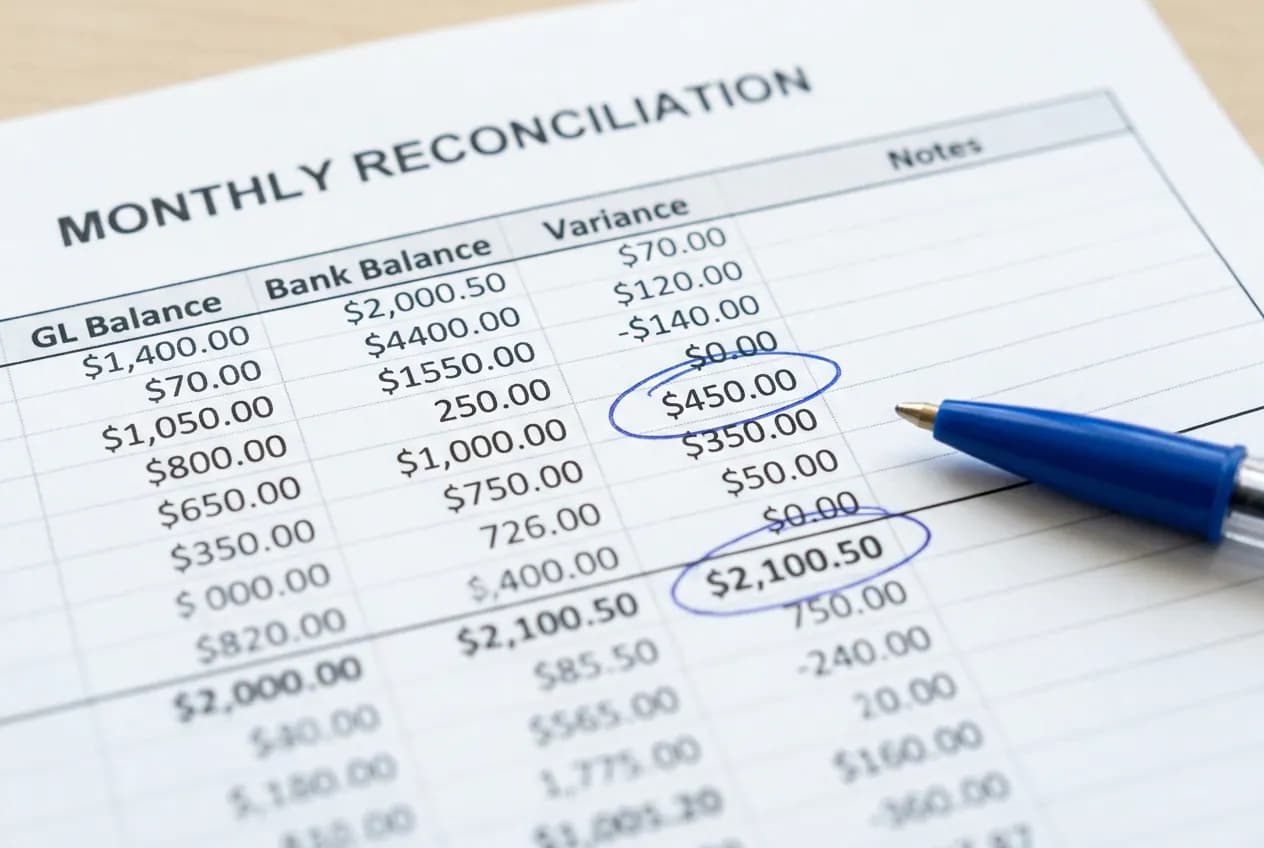
Once you have measured your own gap, it stops being alarming and starts being useful. A gap you know the size of — and that holds steady month to month — is something you can plan around and correct for. An unmeasured one is what makes people distrust marketing entirely, and they are right to.